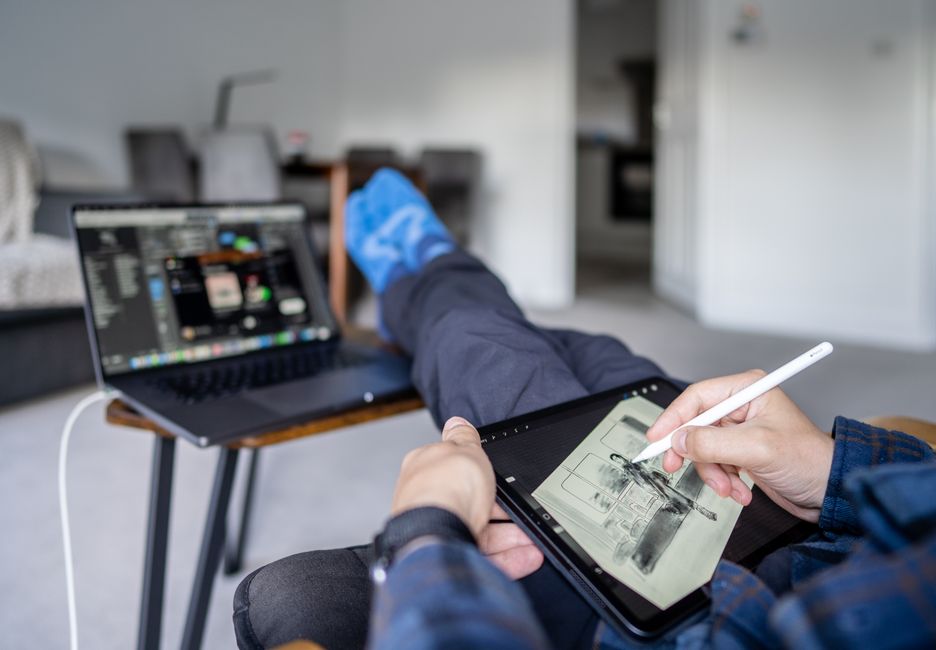
Streamlining Your Smartphone Photography Routine
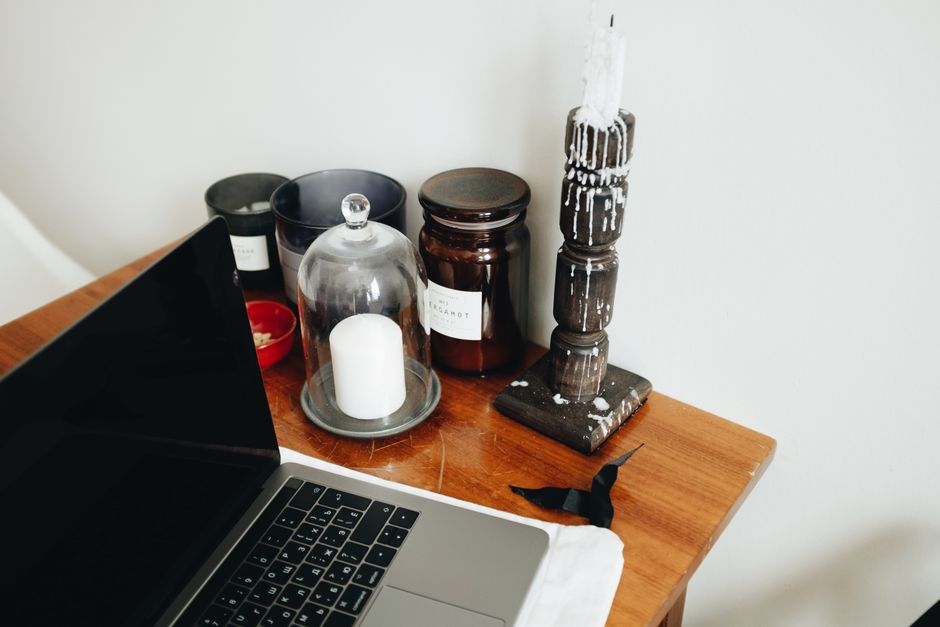
As the lamp casts a warm glow over the cluttered work surface, the smartphone sits ready beside a notebook and a sketchbook, waiting for the evening's creative session to begin. It’s a quiet block of time, just after dinner, when inspiration often strikes. Yet, as the minutes tick away, the excitement can quickly fade if the supplies aren’t immediately accessible. The next page in the sketchbook hasn’t been chosen, and the thought of rifling through drawers for a pen can feel like a barrier to starting a new project.
This friction often arises from a default approach to smartphone photography that overlooks the importance of having everything at hand. In the rush to capture a moment, it’s easy to forget that the phone’s camera app needs to be opened, and the right settings adjusted before snapping a picture. A simple check of whether the phone is charged or if the camera lens is clean can make all the difference. When these small but crucial details are overlooked, the creative flow is interrupted, and the energy to start fades away. Keeping supplies organized and ready can transform these moments into seamless creative expressions instead of frustrating delays.
The First Step That Gets Skipped
On a lamp-lit work surface, the smartphone sits next to a sketchbook, waiting for a creative session to begin. When the evening quiet settles in, it seems straightforward to grab the phone, set it on a tripod, and start shooting. However, this initial step often gets overlooked. Instead of ensuring the phone is stable and the lighting is just right, many jump straight to capturing images, risking shaky shots and poor exposure. The phone’s camera app needs to be opened, but if the phone isn't securely positioned, the resulting photos can be frustratingly unusable.
Checking the lighting conditions is another crucial step that tends to be skipped. It might seem reasonable to assume that the desk lamp provides sufficient illumination, but shadows can easily creep in, affecting the shot's quality. Adjusting the settings on the camera app to match the ambient light can make a significant difference. Before diving into the creative process, take a moment to check that the lens is clean and that the tripod is stable. This small routine can save time and energy, allowing for a smoother transition into the art practice rather than facing the disappointment of blurry or poorly lit images. Keeping supplies organized and ready transforms the moment from a potential hassle into a seamless creative flow. Where the Default Method Fails Even with all supplies visible on your art desk, the moment you sit down to capture a creative idea can unravel quickly. If your phone battery is running low, you might find yourself waiting for it to charge or scrambling for a charger, which eats into your creative time. This disruption can lead to frustration, especially when the spark of inspiration is fleeting.
- Check the phone's battery level before starting; a full charge ensures you can take multiple shots without interruptions.
- Assess the lighting conditions; if the desk lamp casts harsh shadows, consider adjusting its position or adding a soft white bulb for better illumination.
- Clear any clutter from your workspace; a tidy area minimizes distractions and helps focus your attention on the creative process.
Before diving into your session, set a timer for five minutes to prepare your space. This small action can help you clear your desk, charge your phone, and adjust your lighting, creating a smoother transition into your creative work. Without this preparation, even the most straightforward photography basics can feel overwhelming.
A More Workable Alternative
Keeping your smartphone charged and accessible on your art desk can significantly cut down on the friction of starting a creative session. Instead of letting your phone languish in a drawer, place it in a designated spot on your desk, perhaps next to a small lamp that provides consistent lighting. This way, when inspiration strikes, you can grab your phone and start snapping photos without having to hunt for it or worry about battery life.
Consider setting up a quick-reference checklist for your photography settings. A simple notepad with bullet points can remind you to check the focus, adjust exposure, or switch to the right camera mode. This checklist should be easily visible, perhaps clipped to the edge of your sketchbook. When you sit down to create, glance at this list first to ensure everything is ready before you take your first shot.
One effective alternative method is to establish a routine where you prepare your space immediately after each creative session. After you finish journaling or sketching, take a moment to plug in your phone and adjust the lamp's position for optimal light. This small adjustment means that when you return for your next session, everything is already in place, allowing you to dive straight into your work without additional setup. The difference here is that you’re not just leaving your supplies nearby; you’re actively maintaining your workspace for efficiency. This approach can transform a potential hassle into a seamless transition into creativity.
The Tradeoff of Convenience vs. Preparedness
A slightly different version of this problem appears in Creative Hobbies For Adults, where the sequence changes but the hidden drag feels familiar.
When you sit down at your lamp-lit work surface after a long day, the urge to grab your smartphone and start snapping photos can be overwhelming. If your supplies are scattered or unprepared, you might find yourself fumbling for your notebook or adjusting the lamp's angle, losing precious moments of inspiration. In this state, the excitement to create can quickly dissolve into frustration as you realize your phone is charging in another room, or your sketchbook is buried under a pile of old receipts. The spontaneity of your creative spark is often smothered by the need for setup.
Now, consider the alternative: preparing your space right after each creative session. After finishing a quick journaling entry, you take a moment to plug your phone into a nearby charger and set your sketchbook on top of your art desk, right beside your favorite pen. This simple act of readiness transforms your next creative session. When you return, everything is aligned; the lamp is already positioned for optimal lighting, and your supplies are at hand. This setup allows you to jump straight into a creative flow without the usual delays. However, this convenience can come at a cost. If you’re not careful, you might overlook the quality of your materials. If your phone isn’t fully charged or your sketchbook isn’t the right one for the project, you might end up with less satisfying results.
Ultimately, the tradeoff between convenience and preparedness hinges on your creative goals. While the ease of immediate access to your tools can spark spontaneous creativity, it might lead to compromises in the quality of your work if you’re not diligent about keeping your supplies in check. Balancing these aspects is crucial, especially during those fleeting moments of inspiration when you want to capture the world around you with your smartphone.
When the Alternative Fits Best
If this pattern keeps repeating, Starting New Hobbies Slowly extends the idea without leaving the niche.
After a long day at work, the lamp on your desk casts a warm glow over your art supplies, which are conveniently within reach. You glance at your smartphone, ready to capture the fleeting moments of inspiration that often come unexpectedly. This setup is ideal for short creative sessions, allowing you to dive right into your photography without the usual setup friction. The key is to have your supplies organized in a way that supports spontaneous creativity.
During these quiet blocks of time, whether it's right after dinner or just before you start your evening routine, having a designated spot for your notebook and sketchbook makes a significant difference. You can quickly grab your phone, open the camera app, and start snapping photos of whatever catches your eye around the room. However, if your notebook isn’t open to the next blank page, or if your favorite pen is buried under a pile of papers, that small delay can disrupt your flow. Setting a visible cue, like placing your notebook face-up on the desk, signals readiness and helps you avoid those frustrating moments.
This streamlined method excels in casual photography rather than professional shoots, where the stakes are higher, and preparation is crucial. Here, you’re free to experiment with angles and lighting without the pressure of perfection. Yet, it’s essential to remember that while this approach fosters creativity, it can also lead to missed opportunities if you overlook the condition of your materials. A fully charged phone and a well-prepared workspace are vital for capturing those spontaneous shots that define your creative practice.
As you settle into your lamp-lit work surface, consider the impact of keeping your supplies in check. If your notebook isn’t open to the next blank page or your favorite pen is tucked away, that moment of hesitation can derail your creative flow. A simple action, like placing your notebook face-up on the desk, not only signals that you’re ready to create but also minimizes the setup energy required to start snapping photos or journaling.
In the world of smartphone photography, where spontaneity often leads to the best shots, being prepared is key. Ensure your phone is charged and within reach, and that your workspace is organized. This way, you can dive into your creative session without unnecessary delays. Next time you sit down to capture moments, take a moment to check that everything you need is visible and ready to go. A small adjustment like this can make all the difference in maintaining your creative habit.